

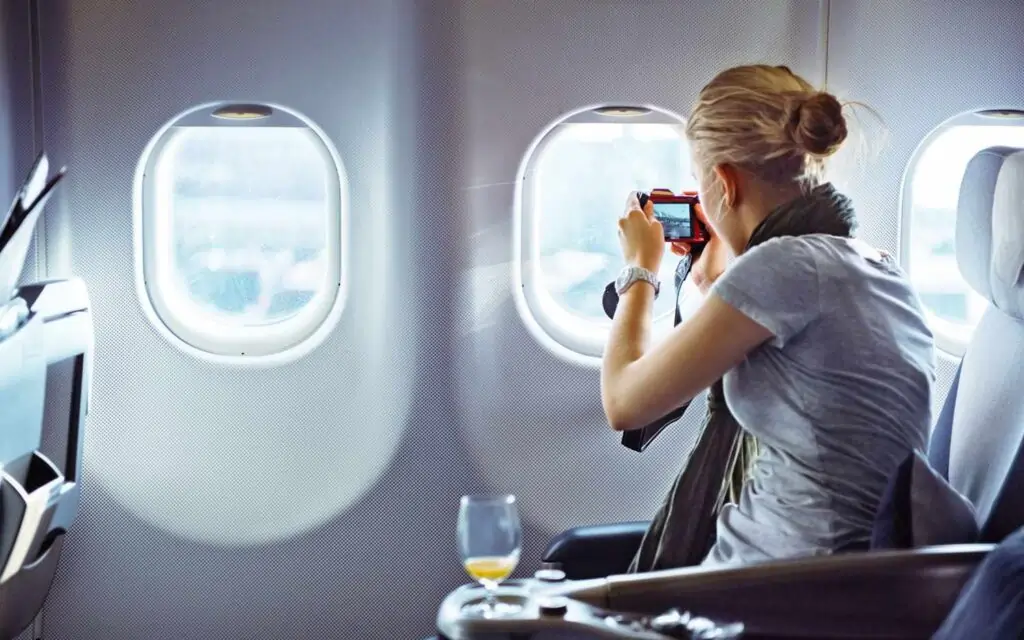
Flying for the first time can feel overwhelming, but it doesn’t have to be. This comprehensive guide will walk you through every step of your air travel journey, from booking your ticket to collecting your luggage at your destination. Whether you’re nervous about security procedures or unsure about airplane etiquette, we’ve got you covered with practical tips that will transform you from an anxious beginner into a confident traveler.
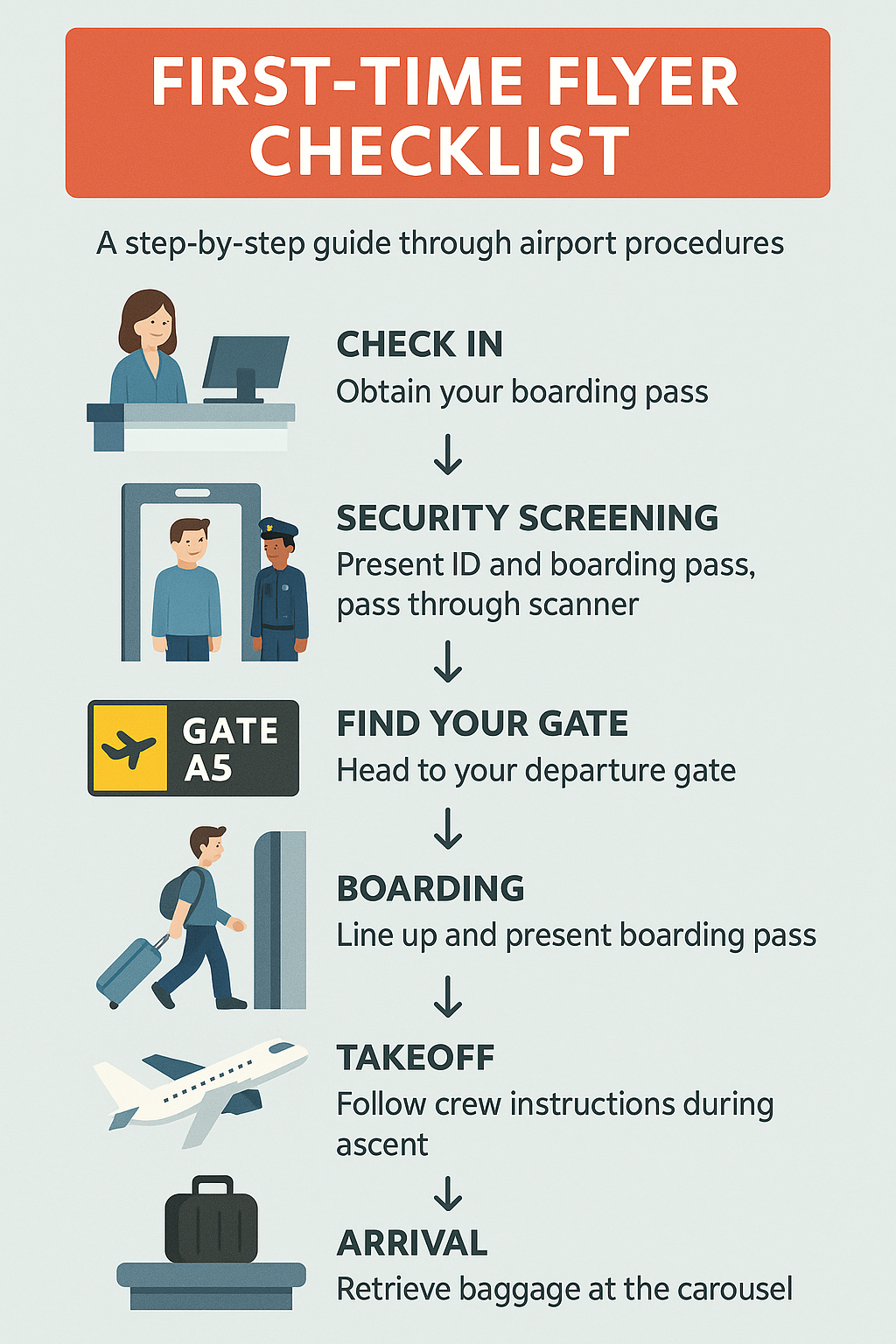
What Should I Know Before My First Flight?
Essential Pre-Flight Preparation
Before stepping foot in an airport, proper preparation is crucial for a smooth travel experience. Start by researching your destination’s entry requirements, visa regulations, and any travel advisories. Check your airline’s website for specific hand luggage rules, prohibited items, and any policies you need to follow.
Your documents are your lifeline when traveling. Ensure your passport or ID is valid and won’t expire during your trip. For international flights, some countries require your passport to be valid for at least six months beyond your travel date. Take clear photos of your documents and store them digitally as backups.
Purchase your plane ticket well in advance to save time at the airport. If online ticket purchase allows you to print your boarding pass, take advantage of this option, especially if you’re traveling without checked baggage. Sign up for the airline’s free loyalty program when booking – you might receive valuable perks.
Choosing Your Flight and Seat
For first-time flyers, morning flights are typically less prone to delays. When selecting your seat, consider your preferences carefully. If you enjoy views and don’t mind being trapped by other passengers, choose a window seat. If you prefer easy access to move around or use the restroom frequently, opt for an aisle seat.
For nervous flyers, seats near the aircraft’s wing experience less turbulence. The wing location provides a more stable flying experience, which can help reduce anxiety during your first flight.
How Do I Navigate Airport Check-In Procedures?
Understanding Different Check-In Options
Modern airports offer multiple check-in methods to streamline the process. You can check in online up to 24 hours before departure, use self-service kiosks at the airport, or visit traditional airline counters.
For international flights, arrive at the airport at least three hours before your scheduled departure time. For domestic flights, two hours is typically sufficient. This allows ample time for check-in, security screening, and reaching your departure gate without stress.
At the check-in counter, present your passport (for international flights) or valid ID (for domestic flights) along with your ticket. The airline staff will verify your documents, weigh your checked luggage, and issue your boarding pass. Your boarding pass contains essential information including your seat number, departure gate, boarding time, and flight details.
Baggage Guidelines and Weight Limits
Understanding luggage restrictions prevents costly surprises at the airport. Most airlines allow one full-size carry-on and one personal item (purse, backpack, or laptop bag) for free. Carry-on dimensions are typically limited to 22 inches long, 18 inches wide, and 10 inches deep, including wheels and handles.
For checked luggage, standard weight limits are around 50 pounds for international flights. Business and first-class passengers often receive higher weight allowances, up to 70 pounds. Weigh your bags at home before departure to avoid excess baggage fees.
Pack strategically by placing heavy items around the bag’s perimeter and working toward the center. Rolling clothes instead of folding them saves significant space and reduces wrinkles. Keep valuable items, medications, and a change of clothes in your carry-on in case your checked luggage is delayed.
What Can I Expect During Airport Security Screening?
Preparing for Security Checkpoints
Airport security screening is often the most stressful part of first-time flying, but proper preparation makes it manageable. Arrive early to account for potentially long lines, especially during peak travel times.
Before approaching security, organize your belongings strategically. Place electronics and liquids at the top of your carry-on for easy removal. Remember the TSA 3-1-1 rule: liquids must be in containers of 3.4 ounces or less, fit in one quart-sized clear bag, and each passenger is limited to one bag.
Dress smartly for security by wearing slip-on shoes and minimal metal accessories. Avoid clothing with large buckles, excessive jewelry, or anything that might trigger alarms. Keep your boarding pass and ID easily accessible, as you’ll need to present them multiple times.
The Security Screening Process
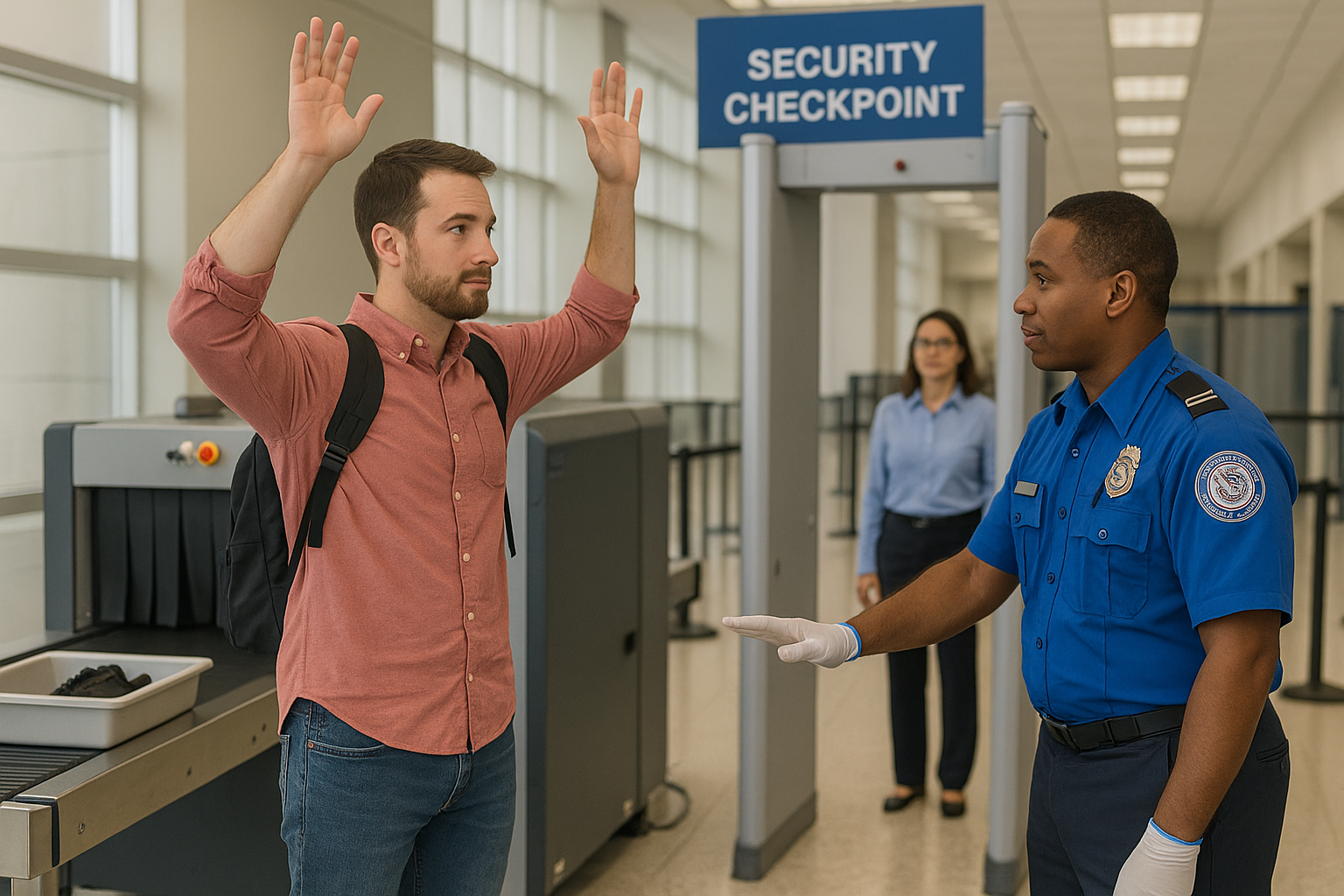
The security checkpoint process follows a standard sequence. First, present your boarding pass and ID to security personnel. Next, place your carry-on items in bins for X-ray scanning, removing electronics larger than a cell phone and your liquids bag. You’ll then walk through either a metal detector or body scanner.
If alarms trigger or you’re randomly selected, additional screening may be required. This could include a pat-down or explosive detection swabs. Don’t panic – this is standard procedure and helps ensure everyone’s safety. Security personnel will guide you through any additional steps needed.
After clearing security, collect your belongings and double-check you haven’t left anything behind. You’re now in the secure area of the airport and can proceed to your departure gate.
How Do I Find My Gate and Prepare for Boarding?
Navigating the Airport Terminal
Once through security, locate departure screens displaying flight information. Your gate number should be printed on your boarding pass, but gates can change, so monitor screens regularly for updates. Follow directional signs to your gate area – airports use clear signage indicating gate ranges with arrows.
Find your gate first, even if you have time to spare. This ensures you know its location and how long it takes to reach. Many airports are larger than expected, and getting lost can cause unnecessary stress. If you feel overwhelmed or lost, don’t hesitate to ask airport staff for directions.
Understanding the Boarding Process
Boarding typically begins 30-45 minutes before your scheduled departure time, not takeoff time. Airlines board passengers in groups based on seat location, ticket class, or loyalty status. Your boarding group will be printed on your boarding pass.
Listen carefully to boarding announcements and watch for updates on departure screens. When your group is called, have your boarding pass and ID ready for verification at the gate. Flight attendants will scan your boarding pass and direct you toward the aircraft.
Boarding procedures vary by airport and aircraft type. You might walk through a jetbridge directly to the plane, board a shuttle bus to a remote parking area, or climb stairs to the aircraft. Follow other passengers and airline staff instructions.
What Should I Expect During the Flight Experience?
Takeoff and Initial Flight Phase
Before takeoff, cabin crew will perform a mandatory safety demonstration while the aircraft taxis to the runway. Pay attention to these instructions, especially on your first flight, as they explain important safety features and procedures. Flight attendants will check that seatbelts are fastened and electronic devices are in airplane mode.
During takeoff, you’ll feel the aircraft accelerate and lift off the ground. The ascent typically takes 5-10 minutes before the plane levels off. If you experience ear discomfort during altitude changes, try swallowing, yawning, or chewing gum to equalize pressure. Special pressure-regulating earplugs can help prevent ear pain.
For nervous flyers, focus on entertainment or look out the window if you have a window seat. The views during takeoff and landing are often spectacular and can help distract from anxiety.
In-Flight Services and Entertainment
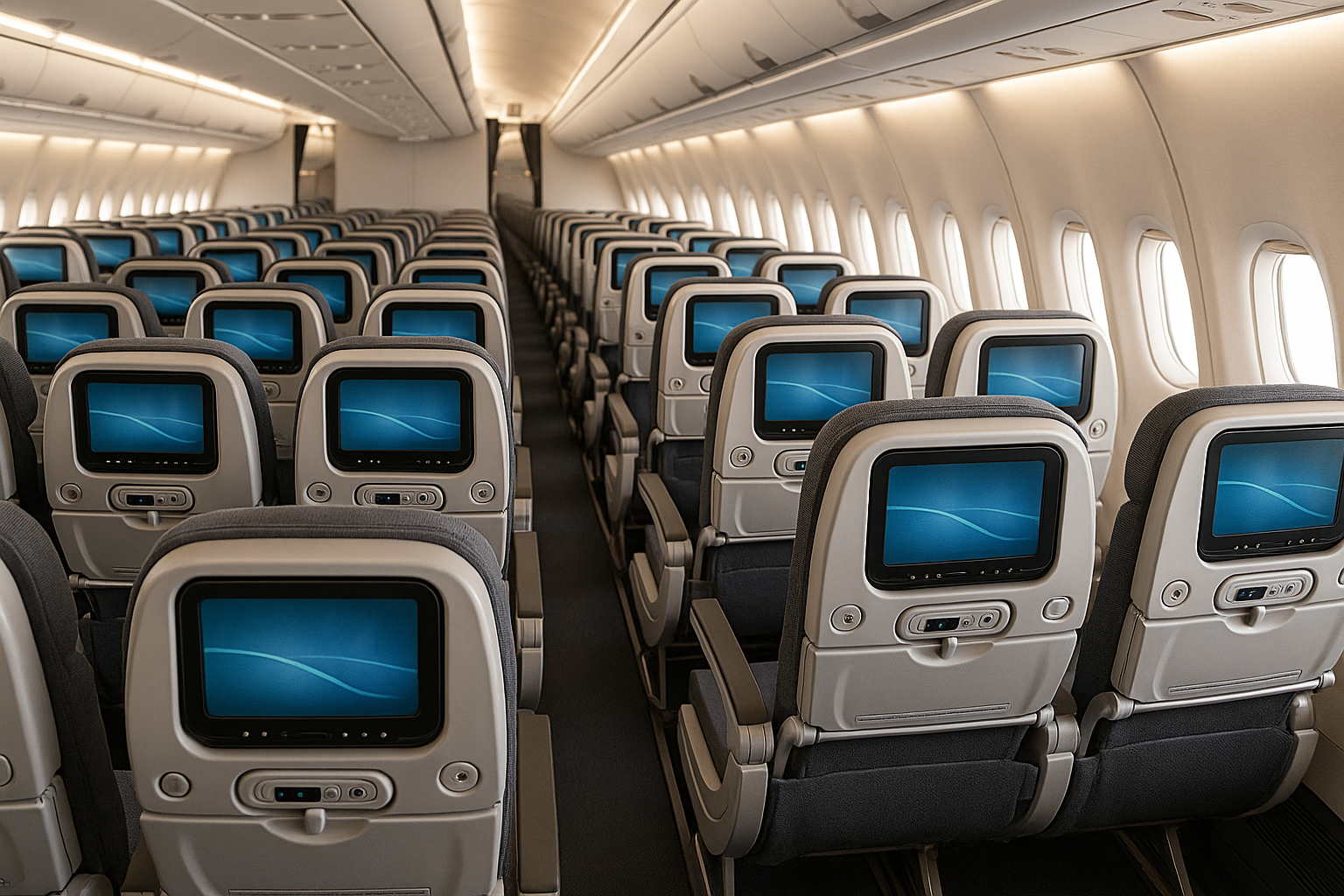
Modern aircraft offer various amenities to enhance your travel experience. Most planes feature individual seatback entertainment systems with movies, TV shows, music, and games. Airlines regularly update their content libraries with the latest entertainment options.
Many flights now provide Wi-Fi connectivity, allowing you to use personal devices, send messages, and browse the internet. However, Wi-Fi services vary by airline and aircraft, and fees may apply for premium access.
Stay hydrated throughout your flight by drinking water regularly. Cabin air is dry, with humidity levels around 10-20% compared to comfortable indoor levels of 30-65%. Avoid excessive alcohol and caffeine, which can contribute to dehydration.
Flight attendants provide food and beverage service depending on flight duration and time of day. Water is typically complimentary, while snacks and meals may be available for purchase or included with your ticket. Consider pre-ordering meals when booking to ensure you get your preferred options.
What Are the Essential Flight Etiquette Rules?
Respecting Shared Space
Air travel involves sharing confined spaces with strangers, making proper etiquette essential for everyone’s comfort. Respect personal space by keeping your belongings within your designated area. Don’t spread out into neighboring seats or armrest territories.
When using overhead bins, only use space near your seat and don’t reorganize other passengers’ belongings. Never remove someone else’s luggage without permission. Pack your carry-on efficiently so others can store their items too.
Keep your feet on the floor and avoid placing them on bulkheads, seat backs, or armrests. Maintain good hygiene by keeping shoes on throughout the flight, especially when visiting lavatories. If you must remove shoes on long flights, ensure your feet don’t have unpleasant odors.
Communication and Courtesy Guidelines
Always use headphones when watching entertainment or listening to music. Playing audio without headphones disturbs other passengers and is inconsiderate. Make eye contact and remove headphones when flight attendants are serving you.
Keep conversations at reasonable volumes and be mindful that your seatmate may not want to chat. Some passengers might be traveling for difficult reasons or simply prefer quiet. Read social cues and respect others’ desire for privacy.
If you need to recline your seat, do so gradually and considerately. Avoid reclining during meal service when tray tables are in use. On short flights under two hours, consider skipping the recline altogether.
How Should I Pack for My First Flight?
Carry-On Packing Strategy
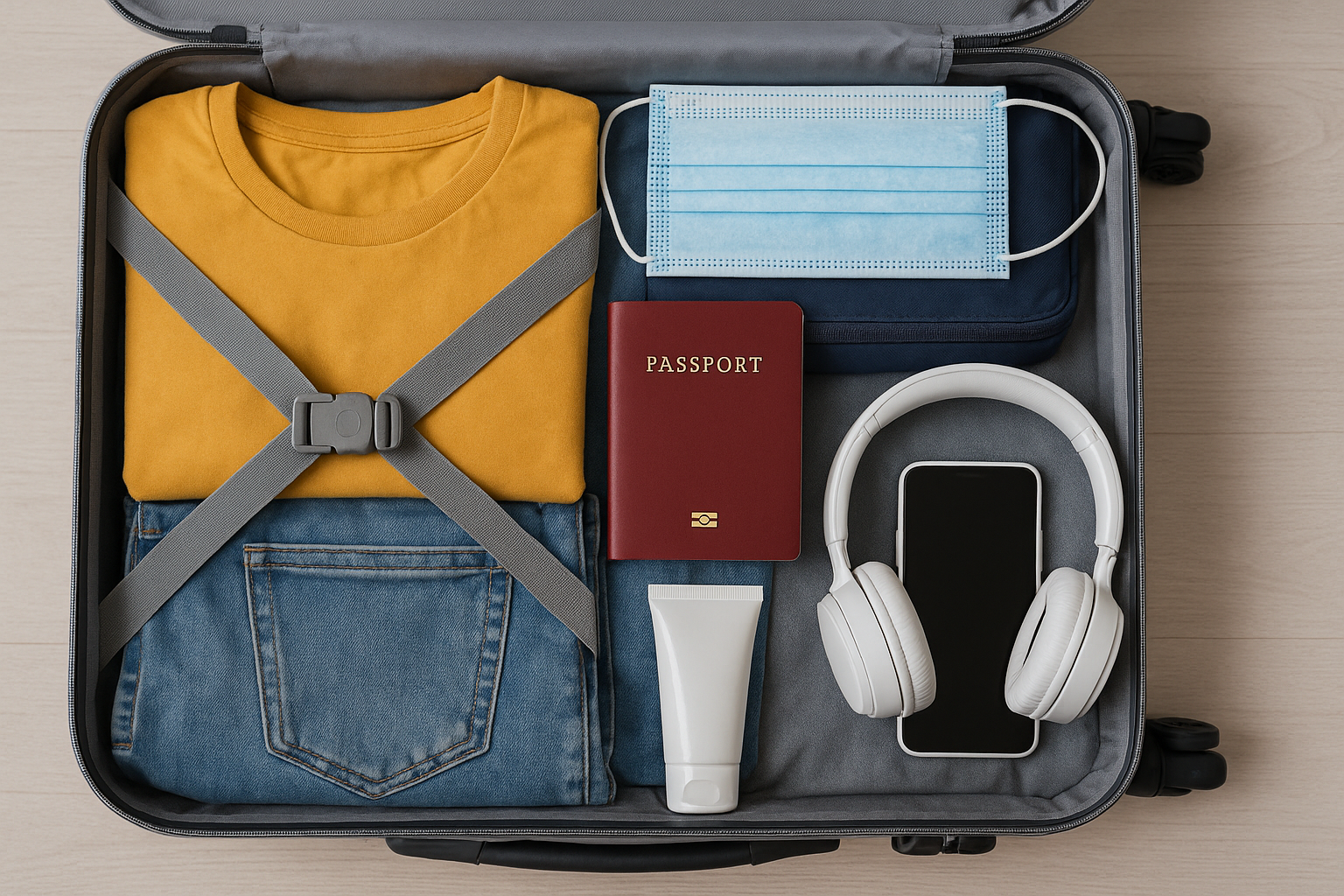
Pack your carry-on strategically with items you’ll need during the flight and essentials in case your checked luggage is delayed. Include medications with prescriptions, a change of clothes, valuable items, important documents, and personal care items.
Organize electronics, chargers, and cables in a packing cube for easy access during security screening. Place these items and your liquids bag at the top of your carry-on for quick removal at checkpoints. Bring an empty water bottle to fill after security, saving money on expensive airport beverages.
For long flights, pack comfort items like a travel pillow, blanket, or comfortable sweater. Include entertainment options such as books, downloaded movies, or games in case the aircraft’s entertainment system malfunctions. Don’t forget essentials like earplugs, eye mask, and any sleep aids you might need.
Checked Luggage Best Practices
Make your checked luggage easily identifiable by adding colorful ribbons, stickers, or luggage straps. This helps you spot your bag on the carousel and provides better description if it gets lost.
Recheck that valuable documents and essentials are in your carry-on, not checked luggage. Checked bags can be delayed, lost, or damaged, so never pack irreplaceable items in them.
Consider the weight distribution of your checked bag to stay within airline limits. If traveling internationally, remember you might purchase items to bring home, so leave some space in your luggage. Alternatively, pack a foldable extra bag for souvenirs.
How Can I Manage Flight Anxiety as a First-Timer?
Pre-Flight Anxiety Management
Flight anxiety affects millions of travelers, and you’re not alone in feeling nervous. Preparation is your best tool for managing anxiety. Arrive at the airport with plenty of time to spare, reducing rush-related stress.
Pack comfort items in your carry-on, including items like neck pillows, eye masks, earplugs, gum, and familiar snacks. Having these familiar objects within reach provides psychological comfort. Bring entertainment options like books, music, or downloaded content to keep your mind occupied.
Practice relaxation techniques before your trip. Deep breathing exercises, particularly the 4-7-8 technique (inhale for 4 counts, hold for 7, exhale for 8), can help regulate your nervous system. Visualization exercises where you imagine a successful, pleasant flight can also reduce anxiety.
During-Flight Coping Strategies
Once on board, inform flight attendants that you’re a first-time flyer or feel anxious about flying. They’re trained professionals who spend their careers in aircraft and can provide reassurance and assistance. They’ll check on you throughout the flight and explain procedures if needed.
Focus on the present moment rather than worrying about potential problems. Use mindfulness techniques to stay grounded. If logical thinking helps you, remind yourself that commercial aviation is statistically one of the safest forms of transportation.
Stay hydrated and avoid excessive caffeine or alcohol, which can increase anxiety symptoms. Consider bringing ginger products if you’re concerned about motion sickness. Keep yourself occupied with entertainment, and don’t hesitate to strike up conversations with friendly fellow passengers.
What Happens After Landing?
Deplaning and Baggage Collection
When the aircraft reaches the gate and the seatbelt sign turns off, remain seated until it’s your row’s turn to deplane. Follow the standard front-to-back departure order. Don’t rush into the aisle immediately, as this creates congestion and doesn’t get you off any faster.
Gather all personal belongings before leaving your seat. Check the seat pocket, overhead bin, and floor area for any items you might have placed there during the flight. Flight attendants typically announce the baggage claim carousel number for checked luggage.
For international arrivals, you’ll need to clear customs and immigration. Follow signs for “Arrivals” or “Immigration”. Some newer airports have pre-screening machines where you’ll input travel information and take a photo. Have your passport and any required customs forms ready.
Final Steps and Transportation
At baggage claim, locate the carousel corresponding to your flight number. Carousel numbers are typically displayed on screens showing flight information. Collect your luggage and proceed through customs if required.
Once you’ve cleared all airport formalities, you can proceed to ground transportation. Research transportation options in advance, including taxis, rideshares, shuttles, and public transportation. Many airports offer information desks to help with directions to your final destination.
Common First-Time Flying Mistakes to Avoid
Airport and Security Mistakes
Don’t wait until arriving at the airport to check in. Use online check-in when possible to save time and potentially secure better seats. Failing to check in advance often results in middle seats or seats away from travel companions.
Avoid exceeding luggage weight limits by weighing bags at home. Don’t pack prohibited items in carry-on luggage, particularly liquids over 3.4 ounces, sharp objects, or weapons. Research restricted items on your airline’s website before packing.
Don’t leave packing and organization until the last minute. Prepare your documents, pack liquids properly in clear bags, and organize carry-on items for easy security screening. Arriving at security unprepared causes delays and stress for everyone.
In-Flight Behavior Mistakes
Avoid dehydration by drinking water regularly throughout your flight. Don’t rely solely on aircraft entertainment systems – bring backup entertainment in case systems malfunction. Download movies, music, or books to your devices before traveling.
Don’t forget to bring essential items like medications, phone chargers, or important documents in your carry-on. Never pack these critical items in checked luggage, which could be delayed or lost.
Resist the urge to ignore flight attendant safety demonstrations, especially on your first flight. These briefings contain important information about safety features and emergency procedures that could be crucial in unlikely emergency situations.
Budget-Friendly Flying Tips for Beginners
Cost-Saving Strategies
Book flights well in advance for better prices. Consider flying on weekdays or during off-peak hours for lower fares. Morning flights are not only less likely to be delayed but often cost less than evening departures.
Bring your own snacks and empty water bottle to avoid expensive airport food. Airport restaurants and shops charge premium prices, so preparation can save significant money. Pack non-liquid snacks like nuts, granola bars, or crackers in your carry-on.
Consider the total cost of your trip, including baggage fees. Some budget airlines have low base fares but charge extra for carry-on bags, seat selection, and other services. Compare total costs, not just ticket prices, when choosing flights.
Loyalty Programs and Perks
Sign up for airline loyalty programs even if you don’t fly frequently. These free programs often provide benefits like priority boarding, free checked bags, or seat upgrades. Some airline credit cards offer valuable perks like waived baggage fees and airport lounge access.
Check if your credit card provides travel benefits such as free checked bags, travel insurance, or airport lounge access. Many premium credit cards offer these perks, which can enhance your travel experience without additional cost.
Research airport lounge options if you have long layovers. Some lounges offer day passes for reasonable fees, providing comfortable seating, complimentary food and drinks, and quiet spaces to relax before your flight.
Flying for the first time doesn’t have to be intimidating. With proper preparation, understanding of airport procedures, and knowledge of basic flight etiquette, you’ll navigate your journey with confidence. Remember that airport and airline staff are there to help, so don’t hesitate to ask questions when you need assistance. Every experienced traveler was once a first-time flyer, and with these comprehensive guidelines, you’re well-equipped to join the ranks of confident air travelers.
The key to successful first-time flying lies in preparation, patience, and maintaining a positive attitude. Trust in the safety of commercial aviation, follow the guidelines in this comprehensive guide, and focus on the exciting destination that awaits you. Your first flight marks the beginning of countless travel opportunities and adventures around the world.